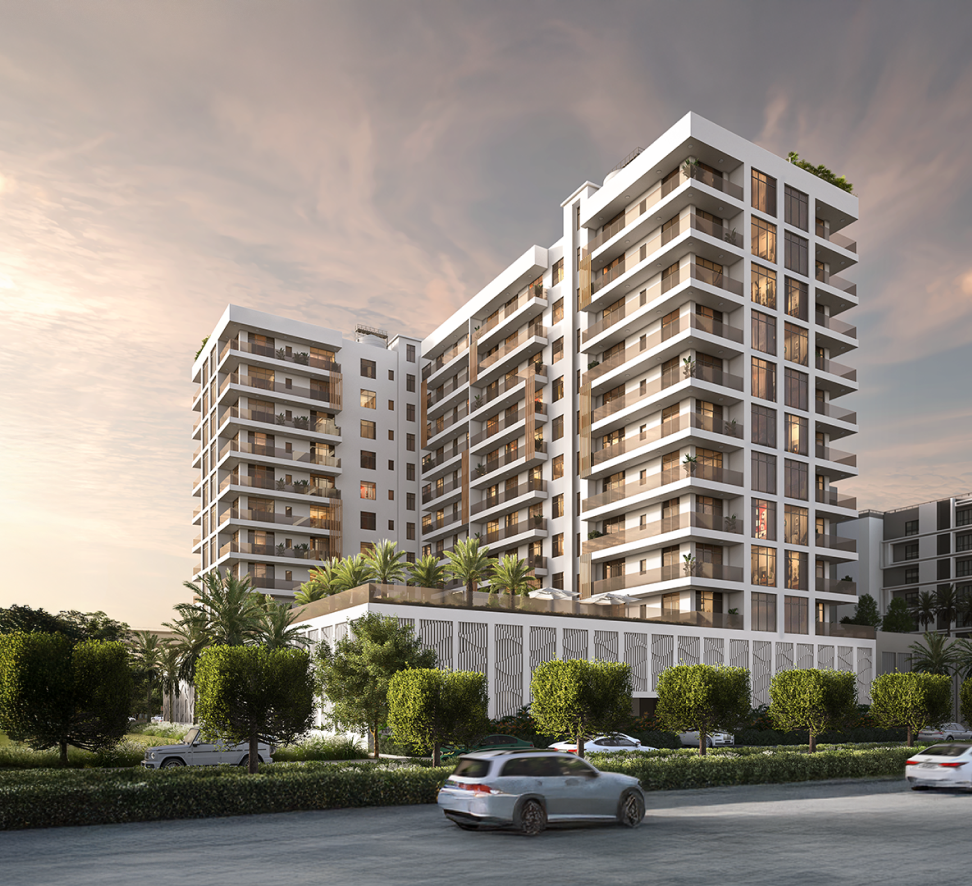
What Is Real Estate Tokenization, Exactly?
Property tokenization takes a real, physical asset, a villa, an apartment, a whole building, and represents fractional ownership of it as digital tokens on a blockchain. Each token corresponds to a share of the underlying property, and in Dubai's case, that share is tied directly to a DLD-registered title deed, not floating around unbacked (Dubai Land Department).
This isn't crypto in the speculative sense. Tokens on DLD's platform are denominated in UAE dirhams, not cryptocurrency, and every transaction settles against a registered legal interest in a real building. That distinction matters more than people give it credit for. A real estate token here isn't a bet on an idea. It's a fraction of an actual asset sitting on an actual street.
What Is DLD, and Why Does It Matter Here?
So, what is DLD in this context? The Dubai Land Department is the emirate's official land registry, the authority responsible for recording who owns what property across the city. Every freehold sale, every mortgage, every title deed transfer runs through DLD one way or another.
In May 2025, DLD launched what it describes as the first tokenized real estate project in the MENA region, using the Prypco Mint platform, in partnership with VARA, the Central Bank of the UAE, and the Dubai Future Foundation (Polymesh; SQMU). The pilot ran from March 2025 through February 2026, and by the time it wrapped, over AED 18.5 million in property had moved through the system, entirely in dirhams (RWA Labs; TheBlock Advisory).
Then, on February 20, 2026, DLD activated Phase 2. Secondary market trading opened for roughly 7.8 million tokens, meaning investors could finally buy, sell, and transfer fractional property stakes on a live market, not just hold them (Metropolitan Realestate; Kelt & Co Realty). This is the part that turns tokenization of real estate from a novelty into something closer to an actual asset class. Liquidity was always the missing piece, and Phase 2 is DLD's answer to it.
What Is VARA, and What Does It Actually Regulate?
Here's the other half of the equation. What is VARA? The Virtual Assets Regulatory Authority is Dubai's dedicated regulator for virtual assets, established under Law No. 4 of 2022, covering the emirate outside the DIFC (Dubai International Financial Centre, which has its own regulator) (Kayrouz & Associates).
VARA doesn't touch land registration. That's DLD's job. What VARA regulates is the token itself, and anyone facilitating its issuance, custody, or trading. If a real estate tokenization platform is arranging trades, holding client tokens, or running an exchange for property-backed tokens, it almost certainly needs a VARA license before it can legally operate (White & Case).
Do You Actually Need a VARA License for a Tokenization Platform?
This is where a lot of founders trip up. VARA currently defines eight licensed activities: advisory services, broker-dealer services, custody services, exchange services, lending and borrowing, management and investment services, transfer and settlement services, and VA issuance (VARA Licensed Activities).
A real estate tokenization platform typically falls into one or more of these buckets. Ctrl Alt, for instance, operates the tokenization infrastructure layer, direct DLD integration, token issuance, and blockchain management. PRYPCO Mint operates as the distribution platform, handling investor onboarding and secondary trading. Most new entrants building in this space end up needing a broker-dealer VARA license, since they're arranging transactions on behalf of clients rather than running the core registry integration themselves (Pixbit Solutions).
Custody is treated separately and strictly. If a platform holds client tokens, VARA requires that function to sit in a standalone legal entity with its own license, it can't be bundled into a broader operating company (VARA Licensed Activities). Get this structuring wrong and the whole platform can stall in review for months.
There's also a formal recognition worth knowing about. VARA created a category called Asset-Referenced Virtual Assets, or ARVAs, specifically to capture tokens backed by real-world assets like property. That means proposals no longer get evaluated purely on technical merit, VARA is explicitly checking whether the token confers real, enforceable rights tied to the underlying asset (Forbes).
How a Real Estate Token Is Actually Structured
It's worth being precise here, because marketing pages tend to blur this. On DLD's platform, tokenized title deeds are recorded directly in DLD's own records. The token holder has a documented, government-recognized fractional interest.
Other tokenization models work differently. Some structure the underlying property inside an SPV (special purpose vehicle), and the token represents a contractual claim against that SPV rather than a direct entry on the title deed (Oliva). That distinction affects everything from Golden Visa eligibility to what happens if the platform itself runs into trouble, so it's genuinely worth asking which model any real estate tokenization platform is using before putting money in.
Where This Stands Today, and Where It's Headed
A few numbers worth sitting with. DLD's stated target is 7% of Dubai's real estate market tokenized by 2033, an estimated AED 60 billion (Kayrouz & Associates; TheBlock Advisory). One villa listing in the Rukan community reportedly sold out to 169 investors from 40 different nationalities in under five minutes (TheBlock Advisory). Separately, Stake, a Dubai-based fractional property platform, closed a $31 million Series B just three days before DLD's Phase 2 launch, backed by Emirates NBD, Mubadala, and Property Finder (Metropolitan Realestate).
That's real institutional money moving toward this, not just retail curiosity.
As of mid-2026, access is still limited to UAE residents holding a valid Emirates ID, at least 18 years old. Non-residents can't yet buy into tokenized Dubai property, though DLD has signaled plans to expand internationally (StartDXB). Golden Visa eligibility through tokenized holdings also isn't fully settled; final rules were expected by mid-2026, and under current guidance, token holders typically don't meet the ownership test the way direct title deed holders do (RealEstateClubDubai; Oliva).
Risks Worth Knowing Before You Get Involved
Property tokenization sounds tidy on a landing page. In practice, a few things are worth weighing honestly.
Secondary markets are still thin. Most tokenized offerings in 2026 don't trade with anything like the liquidity of listed securities, so plan for a multi-year hold rather than a quick exit (Oliva). The regulatory framework is also still maturing, VARA and DLD are actively gathering data from Phase II, and rules around fees, reporting, and eligibility could shift as that plays out (RealEstateClubDubai). And depending on the structure, your claim might be a direct DLD-recorded interest, or a contractual right against an SPV, two very different things if anything ever goes wrong.
VARA has also published its own consumer alert on this, warning investors to verify any platform's licensing status through VARA's Public Register before engaging, since not every entity marketing tokenized real estate products is actually authorized to do so (VARA).
Where Traditional Buying Still Fits
Tokenization is a genuinely interesting entry point, especially for people who want exposure to Dubai property without committing millions upfront. But it's not a replacement for full freehold ownership, particularly if your goal is a Golden Visa, a family home, or a long-term rental asset you fully control.
For buyers weighing traditional ownership against these newer fractional models, it's worth exploring what direct freehold ownership still offers. Take a look at Purvanchal's projects to compare, or reach out to our team if you want an honest conversation about which route actually fits your goals.
Frequently Asked Questions
1. What is a VARA license, and who needs one?
A VARA license is mandatory regulatory approval from Dubai's Virtual Assets Regulatory Authority for any business conducting virtual asset activities in or from Dubai, outside the DIFC. Real estate tokenization platforms handling issuance, brokerage, custody, or trading of property-backed tokens generally need one before they can legally operate.
2. What is DLD's role in real estate tokenization?
DLD is Dubai's land registry and the authority that records legal ownership of property. In its tokenization project, DLD registers tokenized title deeds directly in its own system, so tokens on its platform correspond to a documented, government-recognized fractional interest rather than an informal digital claim.
3. What is VARA, and how is it different from DLD?
VARA is Dubai's regulator for virtual assets, established under Law No. 4 of 2022. It regulates the token itself and the platforms issuing, trading, or custodying it. DLD, by contrast, regulates the underlying property and land registration. The two work together, but they oversee different layers of the same transaction.
4. Can non-residents invest in tokenized Dubai real estate?
Not yet, as of mid-2026. Access to DLD's tokenization platform is currently restricted to UAE residents with a valid Emirates ID who are at least 18 years old. DLD has indicated plans to expand to international investors, but that phase hasn't launched.
5. Does owning a real estate token qualify for a Golden Visa?
Not directly under current rules. The Golden Visa generally requires a property registered in the investor's own name on the title deed. Token holders typically hold a fractional or contractual interest that doesn't meet that threshold, though DLD has said clarification on this point is expected.