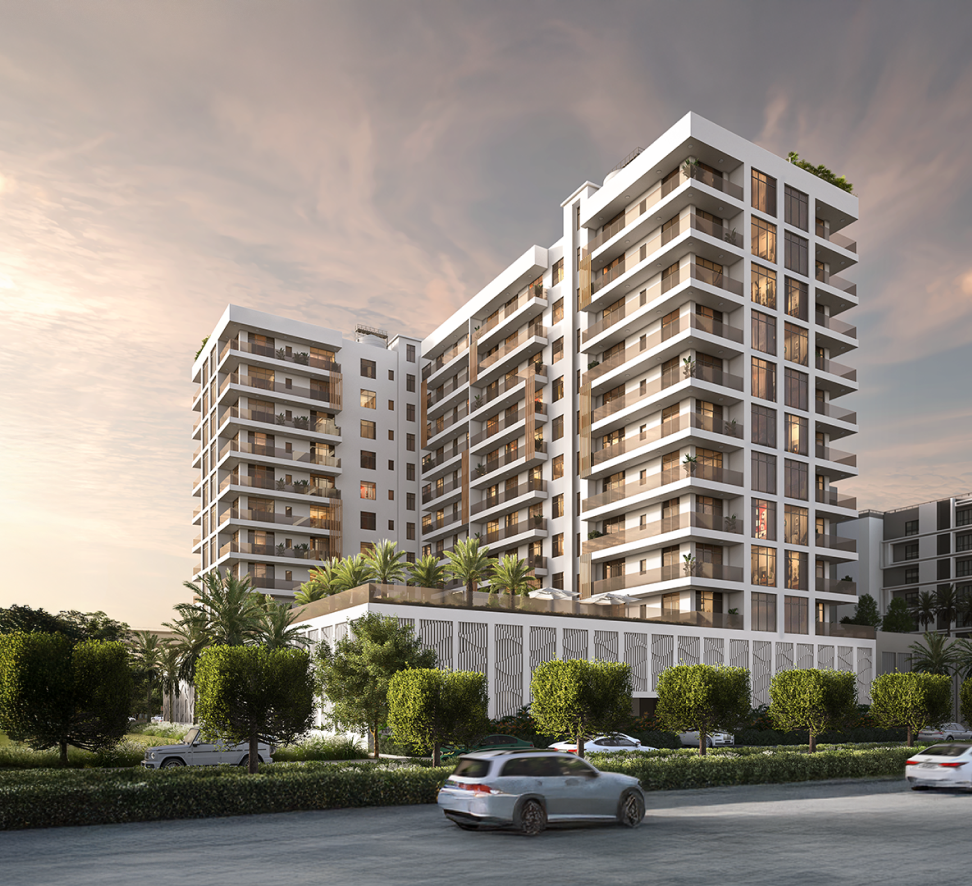
Can Foreigners Buy Property in Dubai? Yes, and It's Been That Way Since 2002
Absolutely Yes. Since 2002, non-UAE nationals have been permitted to purchase freehold property in designated zones across the emirate, with full ownership of the unit and, in most cases, the land beneath it (Provident Estate; Engel & Völkers).
There's no residency requirement, no nationality restriction, and no minimum age. Buyers from India, the UK, Russia, China, the US, practically anywhere, purchase in the same freehold communities under the same rules (RealEstateClubDubai). You don't even need to be in the country. Plenty of buyers complete the entire process remotely, using a power of attorney to sign on their behalf (Dubai Livin).
Buying Property in Dubai as a Foreigner: Where the Rules Actually Apply
The catch, and it's not much of one, is location. Buying property in Dubai as a foreigner comes with a geographic boundary. Ownership is limited to designated freehold areas, roughly 60-plus communities today, including Dubai Marina, Palm Jumeirah, Downtown Dubai, Jumeirah Village Circle, and Dubai Hills Estate (RealEstateClubDubai; Sands of Wealth). Outside those zones, foreign ownership isn't available; you're looking at leasehold arrangements instead, typically capped at 99 years, with full title reserved for UAE and GCC nationals (Driven Properties).
For anyone shopping for a holiday home in Dubai specifically, this actually works in your favor. Nearly every community popular with tourists, and therefore useful for short-term letting, sits comfortably inside the freehold map. Palm Jumeirah, Dubai Marina, Business Bay, JBR, Downtown. You're not fighting the ownership rules to get somewhere rentable.
What Makes a Good Holiday Home in Dubai
Not every freehold apartment makes a strong holiday let. A few things separate the ones that book solid from the ones that sit empty.
Location near demand generators. Beachfront, waterfront, or walking distance to major attractions consistently outperforms. Dubai Marina delivers gross yields around 6% with steady rental demand from both tourists and corporate stays (Provident Estate). Palm Jumeirah commands premium nightly rates thanks to its beach access and branded residences.
Building bylaws that actually permit short-term letting. This is the detail people skip. Not every building allows holiday-home activity, even inside a freehold zone, so it's worth confirming with the developer or owners' association before you buy, not after (Global Investments).
Furnishing and layout suited to guests, not just residents. Holiday-home guests expect hotel-adjacent quality: proper furnishing, reliable Wi-Fi, and a layout that photographs well for listings.
The Legal Side: You Need a Holiday Home Permit Before You Can Rent Short-Term
Owning the property is step one. Renting it out to tourists is a separate, regulated activity, and Dubai does not treat this loosely.
Every property let for stays under six months requires a valid holiday home permit from Dubai's Department of Economy and Tourism, formerly the DTCM (Department of Tourism and Commerce Marketing). There are no exceptions for small operators or occasional hosts (Houst; UAE Expert Hub). List without one, on Airbnb, Booking.com, or anywhere else, and DET can remove the listing and issue fines starting around AED 5,000, escalating for repeat violations (RealEstateClubDubai).
The good news: foreign owners can apply. You don't need to be physically present in the UAE, and applications can generally be processed remotely (ChargeAutomation). You'll need your title deed, passport or Emirates ID, a recent DEWA bill, and a No Objection Certificate from your building's developer or management confirming short-term letting is allowed (Hostaway; Mr Alfred).
Two operating models exist. You can self-manage as an individual owner holding your own DET permit, or route everything through a licensed holiday-home operator that manages bookings on your behalf, useful if you're not based in Dubai year-round (UAE Expert Hub).
What It Costs to Run a Holiday Home in Dubai
Budgeting properly matters more here than people expect. Initial DET registration typically runs around AED 1,500 to 1,520, plus an annual per-bedroom permit fee, roughly AED 300 to 670 depending on property size (Streamline REI; UAE Expert Hub). None of that is a one-time cost you forget about; permits renew annually, and the renewal window only opens 30 days before expiry, miss it and the permit lapses entirely (ChargeAutomation).
On top of the permit, guests pay a Tourism Dirham, generally AED 10 to 20 per bedroom per night depending on classification, which the owner or operator collects and remits monthly (RealEstateClubDubai; Pera Holiday Homes). A separate municipality fee, commonly cited around 7% of rental revenue, also applies (RealEstateClubDubai). If your annual turnover crosses AED 375,000, VAT registration kicks in too (House Finder).
None of this is prohibitive, Dubai's short-term rental framework is genuinely well-regulated compared to a lot of global cities, but it's not passive income in the way brochures sometimes suggest. There's real administrative upkeep involved.
Holiday Home vs Long-Term Rental: Which Actually Makes Sense?
Short-term letting can outperform a standard annual lease, industry estimates put holiday-home gross returns 20% to 40% higher than long-term rental yields in prime Dubai locations (RealEstateClubDubai). But that gap comes with more moving parts: cleaning turnover, guest communication, seasonal occupancy swings, and the compliance workload above.
If you want a property you'll personally use several weeks a year and don't want to actively manage bookings the rest of the time, a licensed operator handling everything, permit renewals included, is usually the more realistic path. If you're purely chasing yield and don't care about personal use, it's worth comparing that upside against the steadier, lower-effort return of a standard 12-month Ejari lease before committing either way.
Getting Started
Buying a holiday home in Dubai isn't complicated once you understand the two separate layers involved: the ownership rules that let foreigners buy freely in freehold zones, and the DET licensing rules that let you actually rent the place out short-term. Handle both properly and it's a genuinely workable way to own a piece of Dubai without needing to live there full-time.
If you're exploring freehold communities that suit both personal use and short-term letting, browse Purvanchal's current projects, or get in touch with our team for a straightforward conversation about what fits your budget and plans.
Frequently Asked Questions
1. Can foreigners buy property in Dubai for use as a holiday home?
Yes. Foreign nationals have been able to purchase freehold property in Dubai's designated zones since 2002, with no residency requirement or nationality restriction. Most tourist-popular areas suitable for short-term letting sit within these freehold zones.
2. Do I need a special permit to rent my Dubai property short-term?
Yes. Any property rented for stays under six months requires a valid holiday home permit from Dubai's Department of Economy and Tourism (DET, formerly DTCM), regardless of how you list it. Operating without one risks listing removal and fines starting around AED 5,000.
3. What's the biggest mistake buyers make when buying property in Dubai as a foreigner for holiday-home use?
Assuming every freehold apartment allows short-term letting. Building bylaws vary, and some developments prohibit holiday-home activity even in freehold zones, so confirming this before purchase, not after, avoids a costly surprise.
4. How much does it cost to legally operate a holiday home in Dubai?
Expect roughly AED 1,500 for initial DET registration, plus an annual per-bedroom permit fee of around AED 300 to 670. On top of that, a Tourism Dirham of AED 10 to 20 per bedroom per night and a municipality fee of around 7% of rental revenue apply to bookings.
5. Is a holiday home in Dubai more profitable than a long-term rental?
Often, yes, gross returns can run 20% to 40% higher than standard annual leases in prime areas. But it comes with more active management, permit renewals, cleaning turnover, and guest communication, so the higher yield reflects real extra effort or the cost of hiring an operator to handle it.