
Dubai is growing at a pace few cities can match, and most of that growth arrives by plane. Expatriates make up roughly nine in ten residents, and as more of them choose to settle here for the long haul, they are reshaping the property market in real time. More people need more homes, and that simple equation sits behind almost every headline about Dubai property today. This article looks at how the influx of new residents is feeding demand, why so many expats are shifting from renting to owning, and what it all signals about the Dubai real estate future.
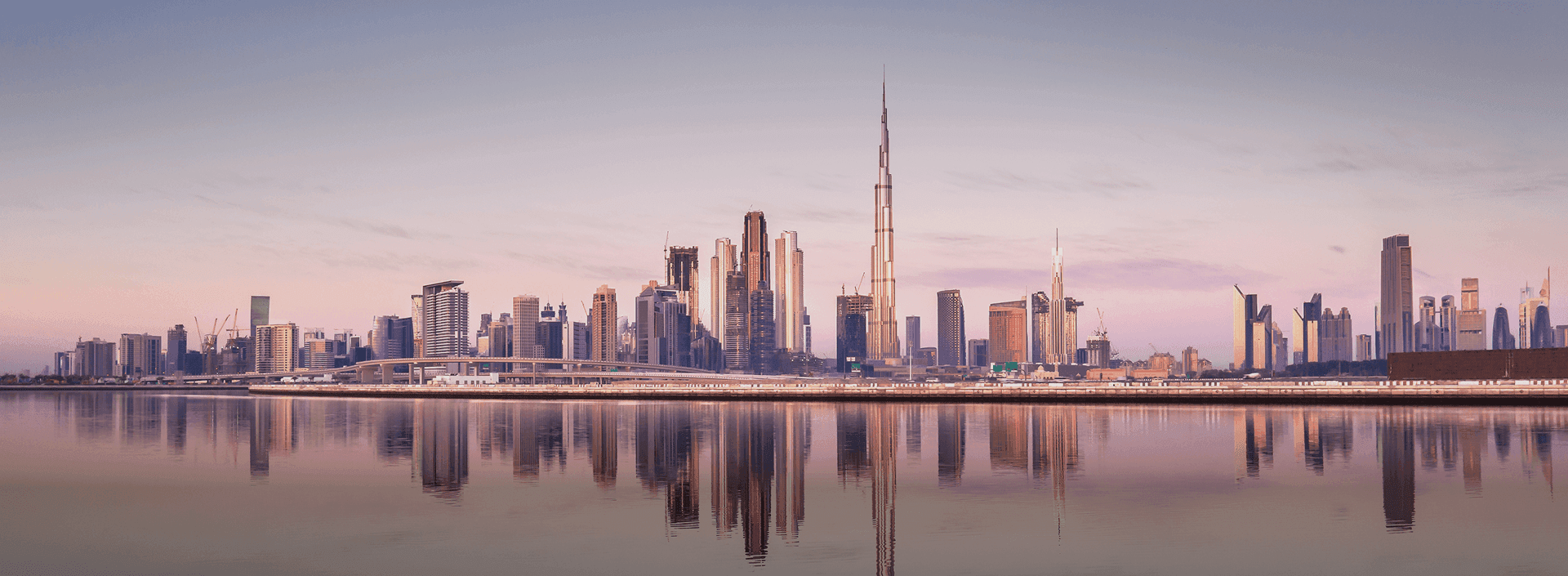
How a Rising Expat Population Is Driving Dubai’s Property Market?
2026-06-04

How a Rising Expat Population Is Driving Dubai’s Property Market?
A City Built on Arrivals
The numbers tell the story plainly. Dubai’s population has pushed past 3.8 million and has been growing by around 6% a year, with more than 200,000 new residents arriving in 2025 alone. Another 175,000 to 225,000 are expected to settle during 2026. Looking further out, the emirate is planning for a population of roughly 5.8 to 7.8 million by 2040. Every one of those arrivals needs somewhere to live. Analysts reckon Dubai needs around 40,000 new homes a year just to keep supply and demand in balance, which is exactly why developers keep launching master-planned communities aimed at long-term residents rather than quick-flip investors.
Indicator | Figure |
|---|---|
| Current population | Over 3.8 million residents |
| Annual growth (recent years) | Around 6% a year |
| New residents in 2025 | More than 200,000 |
| Projected new residents in 2026 | Roughly 175,000 to 225,000 |
| Golden Visa residents since 2021 | Over 250,000 |
| End-users (vs investors) | More than 85% of transactions |
| 2040 population target | Around 5.8 to 7.8 million |
Why Expats Are Now Buying, Not Just Renting?
For years the typical expat story was a rental one. Around 80% of expatriates in Dubai still live in rented homes, but that is changing fast, and the trend of an expat buying property in Dubai has become one of the market’s defining features. A few things are pushing people from tenant to owner:
- The Golden Visa. Long-term residency, including the 10-year visa for property worth AED 2 million or more, gives expats the security to put down roots. Over 250,000 people have taken it up since 2021.
- Rents that keep climbing. With rents rising sharply in recent years, many residents have done the maths and decided a mortgage makes more sense than a renewal.
- Tax-free ownership. No annual property tax and no tax on rental income make buying unusually rewarding here.
- A global talent shift. Skilled professionals are increasingly relocating from places like the US and UK, and many arrive intending to buy rather than rent.
The result is a market where end-users now account for more than 85% of transactions. People are buying homes to live in, which is the kind of demand that makes any expat buying property in Dubai feel less like speculation and more like a settled, lasting trend.
Dubai Real Estate Trends 2026 to Watch
This wave of residents is shaping several of the Dubai real estate trends 2026 that buyers should keep an eye on:
- Villas and larger homes in demand. As families settle, appetite has tilted towards villas, townhouses and community living over compact studios.
- Mid-market communities shine. Areas like JVC, Arjan and Dubai South draw the steady, end-user demand that underpins reliable rental yields.
- Moderation, not correction. With supply catching up, experts expect price growth to cool rather than crash, a healthier rhythm for the long term.
Taken together, these Dubai real estate trends 2026 point to a market maturing on the back of genuine population growth, not hype.
What Does This Means for the Wider Market?
Population-led demand changes the underlying real estate market trend in an important way. When buyers are residents who intend to stay, the market rests on people’s lives rather than short-term sentiment, which tends to make it far more stable. That is a big part of why analysts describe Dubai in 2026 as stabilising rather than overheating, with mid-tier apartments seeing mild corrections while prime villas and waterfront homes stay resilient.
The Dubai Real Estate Future Looks Resident-Led
Put all of this together and the Dubai real estate future starts to look clear. A growing, increasingly permanent population, supportive residency policies and a tax-friendly setup point towards steady, demand-driven growth rather than boom-and-bust swings. For buyers and investors with a long horizon, that maturity is reassuring. The Dubai real estate future is being built, quite literally, by the millions of people choosing to call the city home.
Find Your Place in Dubai With Purvanchal
A resident-led market rewards homes that people actually want to live in: the right community, quality construction and a developer who delivers. That is the space we build in.
At Purvanchal Real Estate, we create homes designed for long-term living in sought-after Dubai communities. Browse our apartment, villa and townhouse projects, read about our three decades of building, and talk to our team to find a home that grows with you.
Frequently Asked Questions
How fast is Dubai’s population growing?
In recent years it has grown by around 6% annually, adding more than 200,000 residents in 2025 alone. The city now has over 3.8 million people and is planning for roughly 5.8 to 7.8 million by 2040, which keeps housing demand consistently strong.
Can expats buy property in Dubai?
Yes. Foreign nationals can buy freehold property with full ownership rights in designated areas, with no residency requirement. A purchase worth AED 2 million or more can also qualify the buyer for the 10-year Golden Visa.
Why are more expats buying instead of renting?
Rising rents, long-term residency through the Golden Visa, and tax-free ownership have tipped the balance for many. With around 80% of expats currently renting, there is significant room for this shift towards ownership to continue.
Is population growth making Dubai property a safe investment?
It certainly strengthens the fundamentals. Demand driven by residents who intend to stay tends to be more stable than speculative demand. That said, no market is risk-free, so location, property type and developer reputation still matter a great deal.
Which areas benefit most from expat demand?
Family-friendly and mid-market communities such as Dubai Hills Estate, JVC, Arjan and Dubai South see strong, steady demand. Prime areas like Downtown and Dubai Marina remain popular with higher-income professionals and international buyers.
Will the influx of residents push prices up further?
It supports prices, but 2026 is expected to bring moderation rather than rapid spikes as new supply comes online. Population growth underpins demand, while increased supply helps keep the market balanced and sustainable.
Start Your Journey With Purvanchal- Contact Us

Quick Links
Address
Contact Us
Copyright 2026 | All Rights Reserved
