
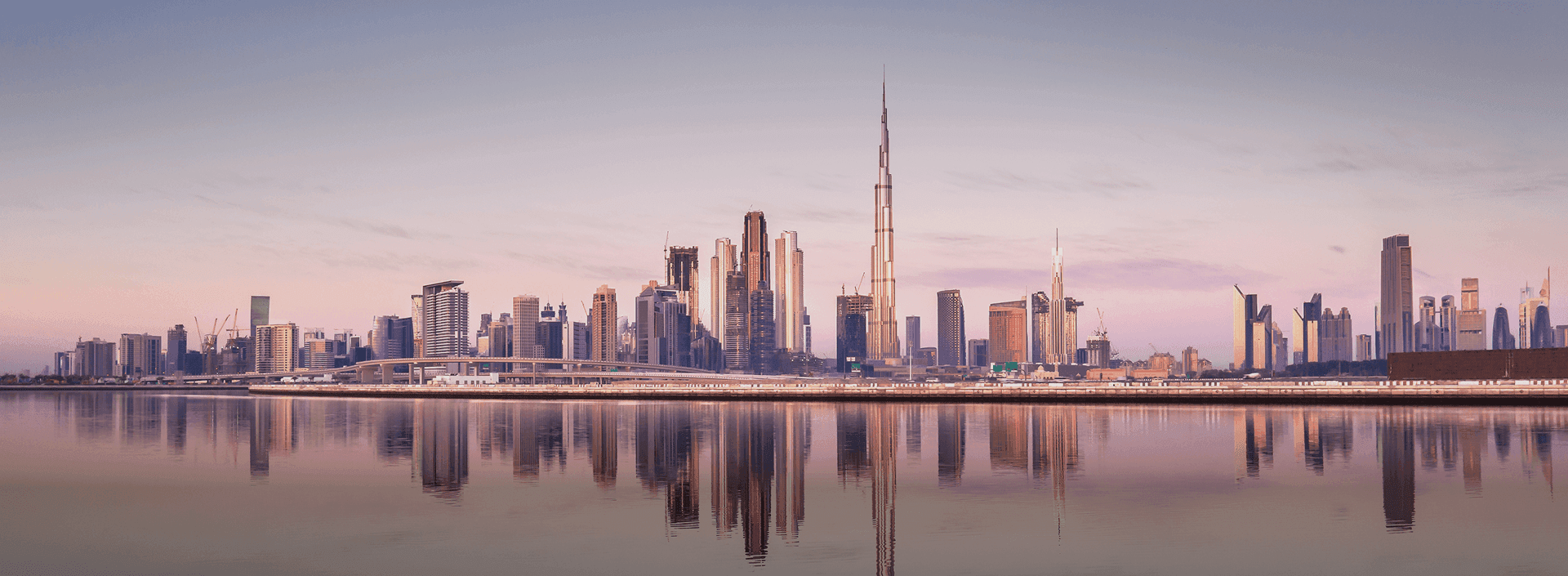
Dubai has never been a city that builds slowly. So it is no surprise that modular construction, where large sections of a building are made in a factory and then assembled on-site, is gaining ground here fast. It promises buildings that go up quicker, cost less to deliver, and waste far less along the way. For a city forever racing to meet demand, that is a powerful combination. In this guide we look at what modular construction actually involves, the benefits of modular construction for developers and buyers, and how Dubai’s push into modular building technology is quietly reshaping the skyline.

How Is Modular Construction Changing Development in Dubai?
2026-06-04

How Is Modular Construction Changing Development in Dubai?
What Is Modular Construction?
Modular construction flips the traditional sequence on its head. Instead of building everything on-site from the ground up, individual sections, or modules, are manufactured in a controlled factory environment. They arrive complete, often with wiring, plumbing and finishes already in place, and are then craned into position and joined together like high-precision building blocks. There are two broad flavours. Volumetric modular uses fully three-dimensional room-sized boxes, while panellised systems ship flat panels that are assembled on arrival. Both lean on the same idea: do as much as possible in the factory, where conditions are predictable, and leave as little as possible to chance on-site.
Why Is Dubai Embracing Modular Building Technology?
Dubai’s appetite for modular building technology fits a much wider strategy. The emirate launched its 3D Printing Strategy back in 2016, with the headline goal of having a quarter of all new buildings 3D printed by 2030. The world’s first fully functional 3D-printed office, the “Office of the Future,” went up here as a proof of concept, and the city has kept pushing prefabrication and additive techniques ever since.
A few forces are driving this. Dubai needs to house a population heading towards 7.8 million by 2040, it wants to hit ambitious sustainability targets, and factory-built methods answer both at once: faster delivery and a lighter environmental footprint. Add the region’s long-running need to ease pressure on on-site labour, and the appeal becomes obvious.
The Benefits of Modular Construction
The benefits of modular construction are what make it more than just a passing trend. For developers and buyers alike, the advantages stack up:
- Speed. Because modules are built while site foundations are prepared in parallel, projects can finish up to around 50% faster than traditional methods.
- Quality. Factory production means tighter tolerances, consistent workmanship and far less on-site rework.
- Less waste. Controlled manufacturing reuses materials and cuts the offcuts, lowering both cost and environmental impact.
- Cost predictability. Fewer weather delays and surprises make budgets and timelines easier to hold.
- Quieter sites. With most work done off-site, there is less noise, dust and disruption for neighbouring communities.
- Sustainability. Less waste, fewer transport trips and better energy efficiency align neatly with Dubai’s green-building rules.
Modular vs Traditional Construction
Here is how the two approaches compare on the points that matter most to a project:
Factor | Modular | Traditional |
|---|---|---|
| Build location | Mostly in a factory | Almost all on-site |
| Speed | Up to ~50% faster | Slower, weather-dependent |
| Quality control | Consistent, factory-tested | Varies with site conditions |
| Waste | Lower, materials reused | Higher |
| Site disruption | Minimal noise and dust | Significant |
| Weather delays | Largely avoided | Common |
None of this means traditional building is going away. In practice, most projects use a hybrid approach, combining modular elements with conventional methods to get the best of both.
Where Modular Works Best in Dubai?
Modular methods suit some projects better than others. They shine where designs repeat and speed matters: hotels and serviced apartments, staff and worker accommodation, schools and clinics, retail pods and, increasingly, residential towers with standardised layouts. Designing for the local climate is part of the job, though. Builders here account for high wind loads, intense solar exposure and coastal corrosion, typically through galvanised steel frames, reflective finishes and carefully engineered thermal breaks.
What It Means for Buyers and Investors?
For anyone buying property in Dubai, the rise of modular construction is mostly good news. Faster delivery can mean shorter waits between paying for an off-plan home and collecting the keys. Factory-grade quality control can translate into fewer defects at handover. And the sustainability gains support the kind of energy-efficient homes that are becoming easier to sell and rent. The one thing to keep in mind is that, as with any build method, the developer’s track record matters most of all.
Build With a Future-Focused Developer
Construction is evolving quickly, and the developers who embrace better methods tend to deliver better homes. What stays constant is the importance of choosing a builder you can trust to get the details right.
At Purvanchal Real Estate, quality and timely delivery sit at the heart of how we build. Explore our apartment, villa and townhouse projects, read about our three decades of building, and talk to our team to find a home built to last.
Frequently Asked Questions
Is modular construction cheaper than traditional building?
Often, yes. The savings come from faster timelines, less material waste and fewer on-site delays rather than from cheaper materials. The exact figure depends on the project, but reduced labour and shorter schedules usually bring the overall cost down.
Are modular buildings as strong and durable as traditional ones?
Yes. Modules are engineered to the same building codes as conventional structures, and in some respects factory production delivers tighter quality control. In Dubai, they are also designed for local conditions such as heat, wind and coastal corrosion.
Is modular construction widely used in Dubai yet?
It is growing steadily rather than dominating. Dubai actively promotes prefabrication and 3D printing, aiming for a quarter of buildings to use additive technology by 2030, but most projects today still combine modular elements with traditional methods.
What types of buildings suit modular methods?
Projects with repeated, standardised layouts work best, such as hotels, serviced apartments, staff accommodation, schools, clinics and retail units. Residential towers with consistent floor plans are increasingly built this way too.
Does modular construction affect property value?
Not negatively, when done well. A professionally built modular home meets the same standards as a traditional one, and its energy efficiency can be a selling point. As always, location and the developer’s reputation carry the most weight in long-term value.
How much faster is modular construction?
It varies by project, but building modules in the factory while site works happen in parallel can cut overall timelines by up to roughly half compared with conventional construction, which is a major reason developers are adopting it.
Start Your Journey With Purvanchal- Contact Us

Quick Links
Address
Contact Us
Copyright 2026 | All Rights Reserved
