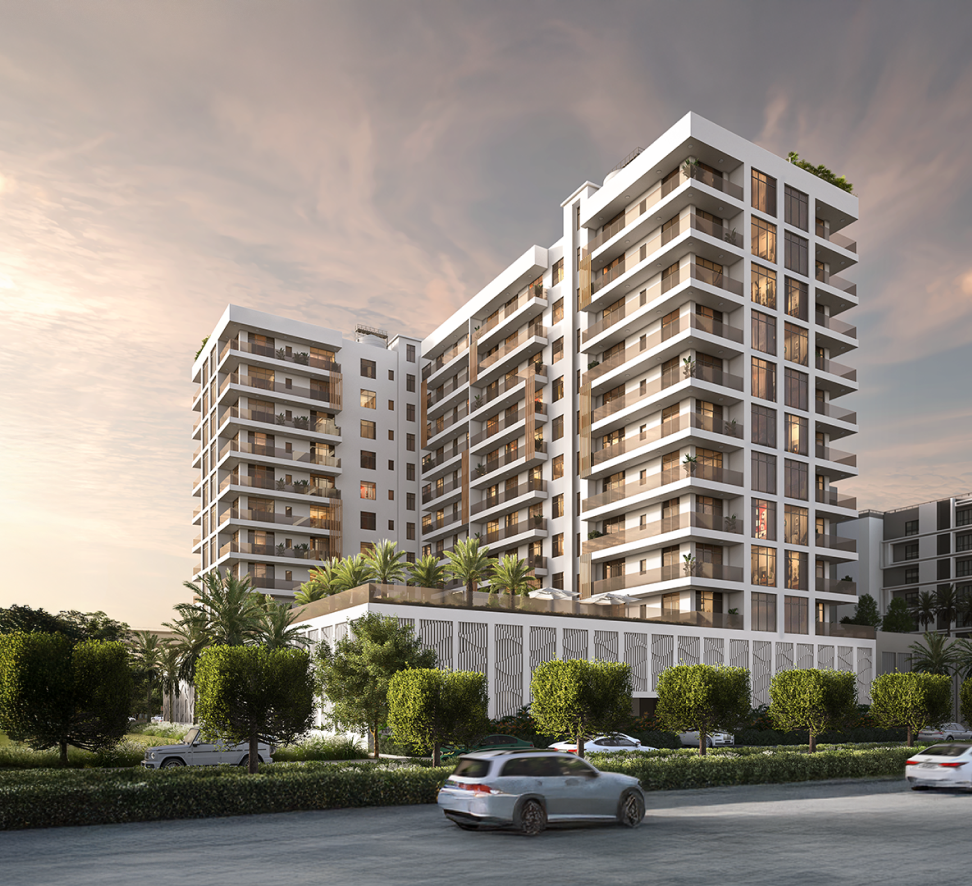
Key Things to Know Before Investing in Off-Plan Properties in Dubai
2026-05-19
Key Things to Know Before Investing in Off-Plan Properties in Dubai
Off-plan property is having a moment in Dubai. A big one.
In 2025, off-plan deals made up 62.6% of all residential sales in the city — over 134,000 transactions in a single year. That is not a niche. That is the default. Buyers are increasingly choosing to invest in projects under construction rather than already-built units, and the reasons are pretty straightforward: lower entry prices, flexible payment plans spread over years, and serious capital appreciation potential between purchase and handover.
But here is the part most marketing brochures skip — off plan property investment is not the same as buying a ready home. The risks are different. The protections are different. The exit timing is different. And the things that go wrong tend to go wrong quietly, then all at once.
So this is a no-fluff property investment guide written for someone seriously considering their first off-plan purchase in Dubai. Read it before you sign anything.
What Off-Plan Property Actually Means
Off-plan is real estate you buy before the building exists. Sometimes the foundations are dug. Sometimes the structure is halfway up. Sometimes there is just a master plan and a sales gallery.
You sign a sales agreement (called a Sales and Purchase Agreement, or SPA), pay a booking deposit (usually 10-20%), and then make staged payments over the next 2-5 years tied to construction milestones. Once the developer finishes, you get the keys, the title deed transfers to your name, and you either move in, rent it out, or sell it on.
The big appeal is leverage. You are committing to an asset at today's price, but only paying a fraction upfront. If the property appreciates during construction (and in Dubai, well-located off-plan projects typically do appreciate 20-30% by handover), your return on the cash you have actually paid in is much higher than buying ready.
Buying Off the Plan Pros and Cons: An Honest Look
The buying off the plan pros and cons are real on both sides. Here is the honest breakdown — not the developer's version.
The Pros
Lower entry price: Off-plan units typically launch 10-30% below comparable ready property prices. Early-bird launches often have the deepest discounts.
Flexible payment plans: 30/70, 40/60, even 1% per month plans are now common. You control a higher-value asset with lower upfront cash. A AED 2M property might only need AED 200,000-400,000 in the first year.
Capital appreciation during construction: Well-chosen projects in growth corridors typically appreciate 20-30% by completion. Early buyers often see paper gains before they have paid even half.
Modern designs and new infrastructure: Off-plan projects are built to current standards — smart home tech, sustainable materials, integrated community amenities. Older ready stock cannot compete on this.
Choice of unit, floor, view: Buying early means you get to pick the best units before they are sold. Corner apartments, top floors, prime views — these go fast.
Resale during construction: Most developers allow you to sell once you have paid 30-40% of the value. This is how investors capture appreciation without ever holding the unit to completion.
Golden Visa eligibility: Off-plan units worth AED 2 million or more (registered with DLD via Oqood) qualify for the 10-year UAE Golden Visa. The 2026 rules now accept mortgaged and Oqood-stage units.
The Cons
Construction delays: Even with strict regulation, projects can run 6-18 months late. Plan your timelines with that buffer in mind.
Market volatility during the wait: If Dubai prices soften between purchase and handover, your unit may be worth less at completion than you paid for it. A 10-15% downside scenario should always be stress-tested.
Quality may differ from brochure: Renderings are aspirational. Finishes, layouts, and views can vary in subtle ways at handover.
Delayed rental income: You cannot rent out what is not built. Cash flow starts only after handover, which could be 2-4 years from purchase.
Lower mortgage LTV: UAE Central Bank caps off-plan mortgage loan-to-value at 50%. That means at least half the price has to come from your own funds.
Project cancellation risk: Rare under current regulation, but possible. Escrow protects deposited funds, but unwinding bank claims and recovering capital can take months.
None of these are deal-breakers. They are just things you should know before signing — not after.
How Dubai Protects Off-Plan Buyers (And What It Means for You)
This part is not exciting. Read it anyway. Dubai's off-plan regulation is one of the strongest investor-protection frameworks in the world, and understanding it is the difference between a confident purchase and a nervous one.
Escrow Accounts (Law No. 8 of 2007)
Every off-plan project in Dubai must operate under a project-specific escrow account. Buyer payments go into that account — and the developer cannot withdraw funds for unrelated business expenses. Money is only released when independent engineers verify construction milestones. If a project stalls, your deposited funds stay protected. This single rule has reduced developer fraud by an estimated 78% since it was introduced.
Oqood Registration with DLD
Within 60 days of signing the SPA, your purchase must be registered with the Dubai Land Department under the Oqood system. This is your legal claim to the unit during construction. It prevents double-selling and gives you a verifiable title that can be used for visa applications, mortgage drawdowns, and future resale.
Cancellation Law (Law No. 19 of 2017)
If you default on payments or want to exit, the law caps how much the developer can retain — usually a sliding scale depending on construction progress. Conversely, if the developer fails to deliver, RERA can deregister the project and trigger refund procedures through the Special Tribunal (Decree No. 33 of 2020).
Together, these laws make Dubai's off-plan market materially safer than most emerging-market property markets globally. Our deeper guide on what RERA in Dubai actually does walks through the regulator's full role.
How to Invest in Real Estate Off-Plan: A Step-by-Step Approach
If you have decided off-plan is the right entry point, here is the practical sequence of how to invest in real estate without making the mistakes most first-time buyers make. Skip steps at your own risk.
Step 1: Define Your Investment Goal Clearly
Are you chasing capital appreciation for resale at handover? Long-term rental income post-completion? Golden Visa qualification? End-use as a family home? Each goal points to a completely different area, project type, and price band when it comes to off plan property investment. Be honest with yourself about which one is actually driving the decision.
Step 2: Pick the Area Before the Project
Location does most of the work in real estate appreciation. Communities tied to upcoming infrastructure — Etihad Rail integration, the Blue Line metro extension, Al Maktoum International Airport expansion — tend to outperform. Established freehold zones like Al Furjan, Jumeirah Garden City (Al Satwa), Dubai Hills Estate, and Jebel Ali Hills offer different risk-return profiles. Match the area to your timeline.
Step 3: Vet the Developer Ruthlessly
Developer track record is the single biggest predictor of project success. Check at least 3 things:
Past project delivery history — did they hand over on time? Were the finished units close to brochure quality?
Current ongoing projects — are they being built? Visit a construction site if possible.
RERA registration and escrow account number — verify both through the Dubai REST app, not the developer's word.
If a developer has delivered 10+ projects on time and has happy resale buyers, they earn the benefit of the doubt. If a developer has 3 projects with delays and complaints, walk away — no matter how attractive the launch price.
Step 4: Read the Sales and Purchase Agreement Carefully
This is the document that actually matters. Specifically check:
Handover date and grace period (most contracts allow a 12-month grace period before penalties)
Mortgage clause — can you assign or substitute the buyer if needed?
If anything is unclear, get a UAE real estate lawyer to review it. A 1-2 hour legal review costs AED 2,000-3,000 and can save you AED 200,000+ in disputes later.
Step 5: Budget the Total Cost, Not Just the Price
On top of the property price, you will pay roughly 7-8% in additional costs:
4% DLD transfer fee
2% agency commission (sometimes paid by the developer for off-plan)
Oqood registration fees (~AED 3,000)
Mortgage arrangement fees (~1% of loan, if mortgaged)
Service charges from handover (varies AED 12-30 per sqft annually)
For a fuller end-to-end framework that goes beyond off-plan specifically, our broader guide for real estate investment in Dubai covers strategy and area selection in detail.
Common Mistakes Off-Plan Buyers Make (and How to Avoid Them)
Most off plan property investment disasters fall into the same handful of categories. After working with hundreds of buyers, here are the patterns we see repeatedly:
Falling for the launch price without checking the area: A cheap unit in a poorly-located project is still a poorly-located project. Drive to the site. Walk the surrounding area. Imagine actually living there.
Skipping the developer due diligence: Glossy brochures are not credentials. Past delivery is. Always check what they have actually built.
Ignoring the post-handover service charges: Branded residences and luxury towers often carry AED 25-40 per sqft in service charges. On a 1,500 sqft apartment, that is AED 37,500-60,000 per year — enough to wipe out a chunk of your rental yield.
Over-leveraging on payment plans: 1% per month sounds painless. Six months of unexpected expenses or income disruption can blow up the math fast. Always have 6-12 months of payments held in reserve.
Not budgeting for the gap year: There is often a 6-12 month period between handover and stable rental income. If you needed the rent immediately, you have a problem.
Trusting the broker over the contract: Brokers are sales people. They will not be there in 3 years when something goes wrong. The SPA is what governs your relationship, not the verbal promises.
If you treat this property investment guide as a checklist rather than light reading, you will avoid the vast majority of off-plan headaches before they start.
When Off-Plan Makes Sense — and When It Does Not
Off-plan is not universally better than ready property. It works for specific buyer profiles and not for others.
Off-Plan Works Well For:
Off-Plan Is Wrong For:
Capital appreciation seekers (3-7 year horizon)
Buyers needing rental income immediately
Investors with limited upfront cash but stable income
Buyers who want to inspect before purchase
Golden Visa applicants combining payment plans
Risk-averse buyers uncomfortable with delays
Long-term portfolio investors averaging into Dubai
First-time international buyers without local advisors
Resale flippers selling at 30-40% paid
Buyers needing to move in this year
If you fall into the right column, ready property is genuinely the better option for you. There is no shame in choosing certainty over upside.
Make Your Off-Plan Investment with a Developer You Can Verify
If you have read this far, you understand that the developer matters more than the launch discount. Off-plan investing is a 3-5 year relationship, not a single transaction.
At Purvanchal Real Estate, we have spent over 30 years building thoughtfully designed homes — first across India, now in Dubai. Every project is RERA-registered, escrow-backed, and built to deliver on time. Our Dubai off-plan portfolio includes Triana Residences in Jumeirah Garden City, Sunbliss Residences and townhouses in Al Furjan, and Purvanchal Villa in the Jebel Ali Hills corridor — three of the strongest growth areas in the city.
Browse our complete project portfolio, or get in touch — our team will walk you through payment plans, handover timelines, and exactly what you are signing.
FAQs: Off-Plan Property Investment in Dubai
1. Is off-plan property investment safe in Dubai in 2026?
Yes, when you buy from a RERA-registered developer in a properly registered project. Dubai's escrow account framework, Oqood registration system, and Special Tribunal for stalled projects together create one of the strongest investor-protection regimes in any global property market. Risk drops further when you stick to developers with strong delivery track records.
2. What is the minimum investment for off-plan property in Dubai?
Off-plan units typically start around AED 500,000-700,000 in mid-market freehold zones like JVC, Al Furjan, and Dubai South. Booking deposits are usually 10-20% of the property price, which means the actual cash needed to start can be as low as AED 50,000-140,000. Total cost (excluding service charges) typically lands at 7-8% above the base price.
3. Can I sell my off-plan property before handover?
In most cases, yes. Developers typically allow resale once you have paid 30-40% of the total price. This is how many investors capture capital appreciation without holding to completion. Resale is processed through the developer's NOC system and DLD title transfer. Some developers charge transfer fees of 2-4%.
4. What payment plans are typical for off-plan in Dubai?
Common structures include 30/70 (30% during construction, 70% on handover), 40/60, 50/50, and post-handover plans like 60/40 stretched over 2-3 years after completion. Some developers also offer 1% monthly plans. The right plan depends on your cash flow profile and risk tolerance — flatter plans reduce risk but may carry higher prices.
5. Can foreigners buy off-plan property in Dubai?
Yes, in any of Dubai's 50+ designated freehold zones. There is no requirement for residency, no local sponsor, and no nationality restrictions. Off-plan units worth AED 2 million or more qualify for the 10-year Golden Visa, including mortgaged units under the updated 2026 rules. Foreign buyers regularly complete transactions remotely using Power of Attorney.
6. How does off-plan property compare to ready property for ROI?
Off-plan generally offers higher capital appreciation potential (20-30% during construction) but no rental income until handover. Ready property delivers immediate rental yield (typically 6-8% gross on apartments) but slower capital growth. For a 3-7 year hold, off-plan often wins on total return. For income-focused investors, ready property is usually the better fit.