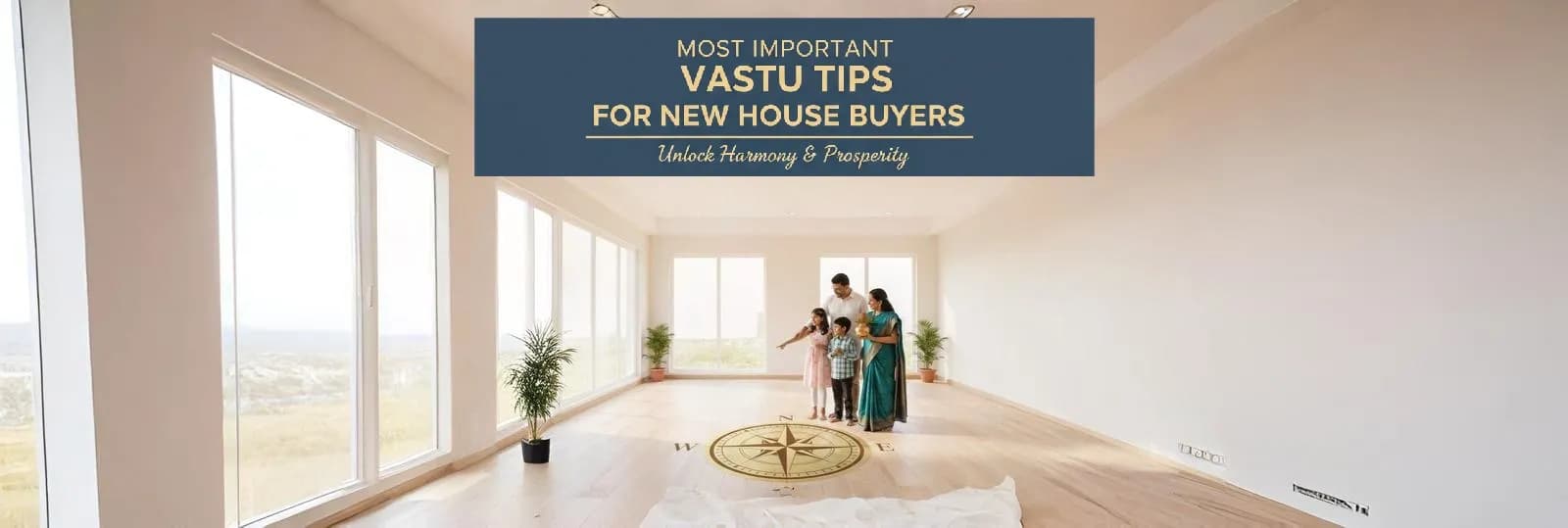
Buying a new home is rarely just a financial decision. For many Indian and South Asian families purchasing property in Dubai, it’s also about peace of mind, stability, and whether a space will actually feel right once the keys are handed over. That’s where home vaastu enters the conversation, often quietly but decisively. The reality is, many buyers won’t reject a home outright for minor vastu deviations, but they do expect the fundamentals to be in place, particularly when investing serious money in a long-term residence or a legacy asset.
What’s interesting is that vastu for home planning in Dubai has moved beyond belief alone. It now aligns closely with natural light management, airflow, privacy, and how a home responds to daily life, whether it’s an early weekday start for DIFC or a slow Friday afternoon with family gatherings.
Why Vastu Still Matters To Modern Homebuyers
Here’s the thing: vastu isn’t viewed today as a rigid checklist but more as a set of guiding principles. Buyers committing AED 3.45 million or more expect layouts that feel intuitive and calm, not spaces that constantly need adjustment. In Dubai, where residences often overlook Sheikh Zayed Road, Al Khail Road, or waterfront promenades, vastu principles frequently overlap with smart design choices like heat control, shading, and cross-ventilation.
For developers like Purvanchal, the focus tends to be on offering vastu for home plans that work for contemporary international lifestyles without appearing forced or symbolic. That balance is arguably what most serious buyers are searching for.
Basic Vastu Rules Buyers Usually Check First
Before getting into finer details, there are certain basic vastu rules for home layouts that buyers tend to confirm early, often even before discussing view premiums or service charges.
Main entrance ideally opening towards the east or north
Living areas positioned to receive balanced daylight
Kitchens placed to avoid direct clashes with bedrooms
Toilets kept away from the centre of the home
These aren’t fringe considerations. Agents across Dubai will quietly acknowledge that units aligned with these basics typically see stronger interest, especially during peak buying windows around Ramadan or year-end investment cycles.
Direction-wise Vastu Tips That Influence Daily Living
Main Entrance And Living Room Orientation
The entrance sets the tone for the entire house. A door opening towards the north or east typically allows gentler morning light, which tends to make spaces feel calmer and more welcoming. In practical terms, this also helps reduce harsh afternoon heat, a noticeable advantage in Dubai’s climate.
Living rooms placed in the north-east or north-west often feel more usable throughout the day. Families hosting guests during evening hours, particularly on weekends, notice the comfort immediately.
Bedroom Placement And Sleep Quality
For bedrooms, particularly the master bedroom, vastu for home guidelines usually suggest the south-west corner. This placement tends to offer more privacy and stability, especially in larger configurations such as 3 BHK residences ranging from 1,420 to 1,680 sq ft.
Children’s bedrooms often work better in the west or north-west zones. The positioning supports active routines while still allowing rest, something parents value once school schedules and after-hours activities settle in.
Kitchen Placement And Daily Routines
The kitchen remains one of the most discussed spaces during walkthroughs. Vaastu for house principles suggest a south-east location, traditionally associated with fire. Beyond symbolism, this placement often supports better ventilation and reduces heat transfer to adjoining spaces, which matters in Dubai’s warmer months.
Open kitchens integrated with dining areas are common in modern layouts. As long as cooking platforms face east and water elements remain clearly separated from heat sources, buyers typically find these configurations comfortable.
Top 10 Vastu Tips For Home Buyers To Keep In Mind
Below is a practical overview of the top 10 vastu tips for the home that most experienced buyers quietly follow:
These vastu shastra tips for home aren’t about perfection. They’re about alignment that feels natural over time.
Area
Practical Vastu Tip
Entrance
Prefer north or east-facing doors
Living Room
Allow maximum daylight and airflow
Kitchen
Place in south-east, cook facing east
Master Bedroom
South-west placement works best
Children’s Room
West or north-west zones suit activity
Toilets
Avoid centre and north-east areas
Pooja Space
North-east corner remains ideal
Windows
Larger openings towards north/east
Staircases
South or west positioning preferred
Storage
Heavy units in south-west zones
How Vastu Works With Modern Floor Plans
What’s interesting about newer Dubai developments is how vastu has adapted to high-rise living. Developers now design layouts where vastu tips for home coexist with efficient use of space. For example, a 2 BHK ranging from 980 to 1,150 sq ft can still maintain directional balance without compromising storage, utility zones, or balcony usability.
In premium communities, architects often fine-tune column placements, balcony orientations, and glazing sizes to maintain vastu alignment without making it visually obvious. Buyers walking through these homes often comment that the apartment “just feels comfortable,” even if they can’t immediately explain why.
Common Vastu Concerns Buyers Raise During Site Visits
Perhaps the most frequent question raised during walkthroughs is, “Will this need correction later?” Buyers want reassurance that they won’t be forced into structural changes post-handover. Concerns typically include:
Toilet placement near kitchens
Irregular room geometries
Beams running across beds or dining areas
While vastu remedies exist, most buyers prefer homes where corrections aren’t required. That’s why vastu-aligned planning has become a quiet differentiator in Dubai’s premium residential segment.
Balancing Belief With Practicality
The reality is, no urban apartment will tick every traditional vastu box. That’s understood. What buyers look for is intent. If a home respects the major principles of home vaastu and avoids critical flaws, it tends to earn trust.
In Dubai’s resale-driven communities such as Business Bay, Jumeirah Village Circle, or Dubai Hills, homes with sensible vastu alignment often see stronger long-term interest. Perhaps that’s coincidence, or perhaps buyers instinctively gravitate toward spaces that feel balanced.
A Natural Next Step For Serious Buyers
For those exploring thoughtfully planned residences, especially developments where vastu for home is considered at the design stage rather than added later, it makes sense to experience the layouts in person. Walking through a well-aligned home during late afternoon, when sunlight softens and interiors reveal their character, often answers questions brochures can’t.
Purvanchal’s approach typically reflects this understanding, offering homes that respect vastu principles while remaining suited to Dubai’s modern, global lifestyle.
Frequently Asked Questions
1. Is vastu mandatory when buying a new home in Dubai?
It isn’t mandatory, but many buyers prefer homes that follow basic vastu rules for home layouts because they tend to feel more comfortable and practical over time.
2. Can minor vastu defects be corrected later?
Yes, several non-structural adjustments can help, but most buyers prefer homes where major vastu issues don’t exist to begin with.
3. Does vastu affect resale value in Dubai?
In many cases, yes. Homes with sensible vastu planning often attract wider interest, particularly among end-users and long-term investors.
4. Is vastu relevant for apartments as much as villas?
Absolutely. While constraints differ, vastu for home plans applies equally to apartments, especially in layout and orientation.
5. Should vastu be prioritised over location?
Typically, buyers balance both. Proximity to business districts, schools, and arterial roads matters, but vastu often becomes the deciding factor between two similar options.