Villa vs Apartment Appreciation in Dubai 2026: What the Data Shows
2026-09-15
Villa vs Apartment Appreciation in Dubai 2026: What the Data Shows
Every Dubai real estate conversation eventually lands on the same question: buy a villa for the long game, or an apartment for the cash flow? For years, the honest answer was "it depends," but the 2026 numbers are starting to tilt the scale. Villas are pulling away from apartments on price growth, and the gap is wide enough that it's worth understanding before you sign anything.
Forecasts from ValuStrat put 2026 villa and townhouse price growth at roughly 17.7%, against about 7.4% for apartments. Separate year-on-year data through April 2026 shows a similar pattern, just smaller in scale: villas up around 9.86% versus apartments at 5.49%. Different research houses, different exact numbers, same direction. Villas are appreciating faster right now, and it isn't close.
Dubai Villa Prices Increase 2026: What the Numbers Actually Show
Here's how the two asset classes stack up across the metrics that actually matter to a buyer:
Metric
Villas
Apartments
2026 forecast price growth (ValuStrat)
~17.7%
~7.4%
Year-on-year growth, April 2026
~9.86%
~5.49%
5-year appreciation, prime areas
50–80%
30–55%
Average gross rental yield
4–6%
6–9%
Share of new 2026 residential supply
~19%
~81%
That last row explains most of the story. Villas and townhouses make up less than 20% of Dubai's total housing stock, and of the roughly 131,000 new residential units expected in 2026, apartments account for about 81% of that pipeline. Villas are scarce by design, and scarcity plus rising demand from families wanting more space is doing exactly what you'd expect to prices.
A few other forces are compounding the effect:
Dubai's resident population is projected to reach 4.7 million by the end of 2026, and a growing share of that population wants low-density, family-sized housing
Construction delays on new villa communities are keeping supply tighter than the headline pipeline numbers suggest
Freehold villa values are already up roughly 206% since pandemic-era lows, with 2025 alone delivering annual capital growth near 25.5% in some prime communities
Capital Appreciation in Dubai Real Estate: Villas vs Apartments Over Five Years
Zoom out from one year of data and the pattern holds, just with wider bands. Over a five-year horizon, villas in prime communities have delivered roughly 50–80% cumulative appreciation, against 30–55% for apartments in similarly prime locations. Mid-market properties show the same gap at a smaller scale: 30–60% for villas versus 20–45% for apartments.
The trade-off is yield. Apartments average 6–9% gross rental yield, with pockets like JVC pushing past 8%. Villas typically return 4–6%, and some ultra-prime villa communities dip below 4%, functioning more as a store of value than an income asset. If you're chasing capital appreciation in Dubai real estate specifically, villas have been the stronger vehicle. If you need the property to pay for itself month to month, apartments still win on cash flow.
Most portfolio-minded investors don't pick one and ignore the other. A common allocation approach splits roughly 60–70% into apartments for income and 30–40% into villas for growth, which captures both sides of the current market rather than betting the whole portfolio on one appreciation curve.
Dubai Property Price Trends 2026: Why the Gap Keeps Widening
Zoom out further and the broader Dubai property price trends for 2026 point to a market that's maturing rather than overheating. Overall residential capital gains are forecast around 10% for the year, a step down from the sharper post-pandemic run-ups, and rental growth is expected to flatten out near 0% as affordability limits start to bite.
Within that slower overall market, villas are still the outperformer, for reasons that look structural rather than temporary:
Land for new villa communities is finite, while apartment towers can still be built on a shrinking but real supply of plots
Buyer preference has shifted meaningfully toward larger, low-density living since the pandemic, and that shift hasn't reversed
Delivery delays on villa projects mean actual completions often lag the announced pipeline, keeping realized supply tighter than paper supply
None of this means apartments are a weak bet. It means the two asset types are increasingly serving different jobs in a buyer's plan: apartments for yield and liquidity, villas for appreciation and long-term hold.
Should You Buy a Villa or an Apartment in Dubai Right Now?
The Case for a Villa
If your priority is long-term capital growth and you can accept a lower yield and slower resale (villas typically take 60–90 days to sell versus 30–60 for apartments), the data favors villas right now. Developments likePurvanchal Villa in Jebel Ali Hills sit squarely in this category: low-density, gated, and in an area still early enough in its growth curve to benefit from the same scarcity dynamics driving villa prices citywide.
The Case for an Apartment
If cash flow, faster liquidity, or simply needing a place to actually live matters more than maximizing appreciation, apartments remain the more practical choice for most buyers. The right size depends on where you are in life:
A1 BHK apartment suits young professionals or couples who want a serious asset without a villa-sized commitment
A2 BHK apartment fits growing families or NRI buyers who want more breathing room while still prioritizing rental demand
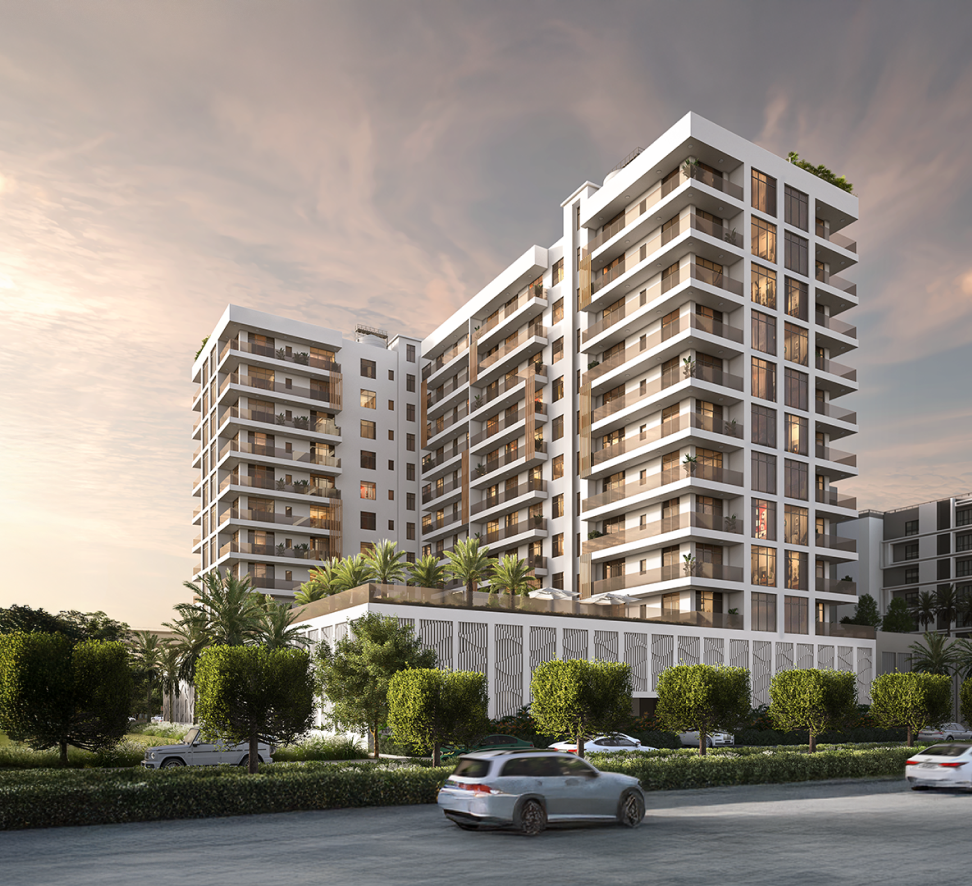
A3-bedroom apartment, such as the units at Sunbliss Residences in Al Furjan, works for larger families who want villa-style space with apartment-level yield, often in the 6–8% range
Frequently Asked Questions
1. Will Dubai villa prices keep increasing in 2026?
Most forecasts point that way. ValuStrat projects roughly 17.7% growth for villas and townhouses this year, driven largely by supply making up less than 20% of total housing stock.
2. Are apartments a bad investment if villas are appreciating faster?
Not at all, they're just optimized for a different goal. Apartments average 6–9% rental yield against 4–6% for villas, making them the stronger choice for buyers who want income over pure appreciation.
3. What's driving the price gap between villas and apartments?
Mostly supply and demand. Villas make up under 20% of Dubai's housing stock and only about 19% of new 2026 supply, while buyer demand for low-density family living keeps climbing.
4. How much have Dubai villa prices grown since the pandemic?
Freehold villa values are up roughly 206% since pandemic-era lows, with some prime communities posting annual capital growth near 25.5% in 2025 alone.
5. Should I buy a villa or an apartment for capital appreciation in Dubai real estate?
Villas have delivered stronger five-year appreciation, roughly 50–80% in prime areas versus 30–55% for apartments. Apartments still make sense if faster liquidity and rental income matter more to you than maximum growth.